Avon

A/B Testing With Avon

A big part of my role as an account manager is to look for opportunities to grow my client’s business. When reviewing Avon’s email marketing program, we noticed that their engagement rates were below the industry standard. This became an opportunity to introduce Avon to new product features that would result in higher customer engagement.

One of the things I noticed when setting up their promo mailings was that they were not using any dynamic content within their ad hoc promo setups. I identified that this could be used as an opportunity to increase their campaign’s engagement rates. During one of our status calls, I brought this to their attention. While Avon did not doubt that having dynamic content implemented into their promo campaigns would yield better engagement, their main concern was whether the additional sales they would receive from dynamic content would be worth the additional hours used to set up those pieces. As a result we decided to test their concern. We synched up with our strategic services team and performed an A/B test in order to test out Avon’s hypothesis. Usually, Avon promos had a flat percentile discount off of any purchases over a certain amount of money spent. Or X% off of a particular item. We made the suggestion of providing discounts to products that are most relevant to each user and see if the relevancy of the product would result in higher engagement which would lead to higher sales.

The Test


The test was simple:

Compare the return on investment vs hours spent between campaigns with and without dynamic content.

Avon had a “preferred product category” field existing in their database which ranks all user’s most preferred product type based on purchase history and page visits. For the sake of testing, we only tested two of the most popular product categories: makeup and skincare. The tests were set up as follows:

Makeup Segment

50% receives discount banner for makeup products

50% receives generic discount banner

Skincare Segment

50% receives discount banner for skincare products

50% receives generic discount banner

Remander Segments

100% receives generic discount banner

graphics by Iconbros

The REsults

We ran this test for a month. Once testing was completed, we conclusively reported, these campaigns dynamic campaigns net a 12% increase in click through rates compared to the generic discount banners they have offered. We didn’t have visibility on their exact return on investment but Avon was very pleased with these results. They began implementing dynamic content in many of their future promotional ad-hoc emails. In addition to that, they began approaching our strategic services for other testing opportunities such as subject line testing, time-of-day testing, and frequency testing.

FLX-Logo

Foot Locker’s FLX Launch

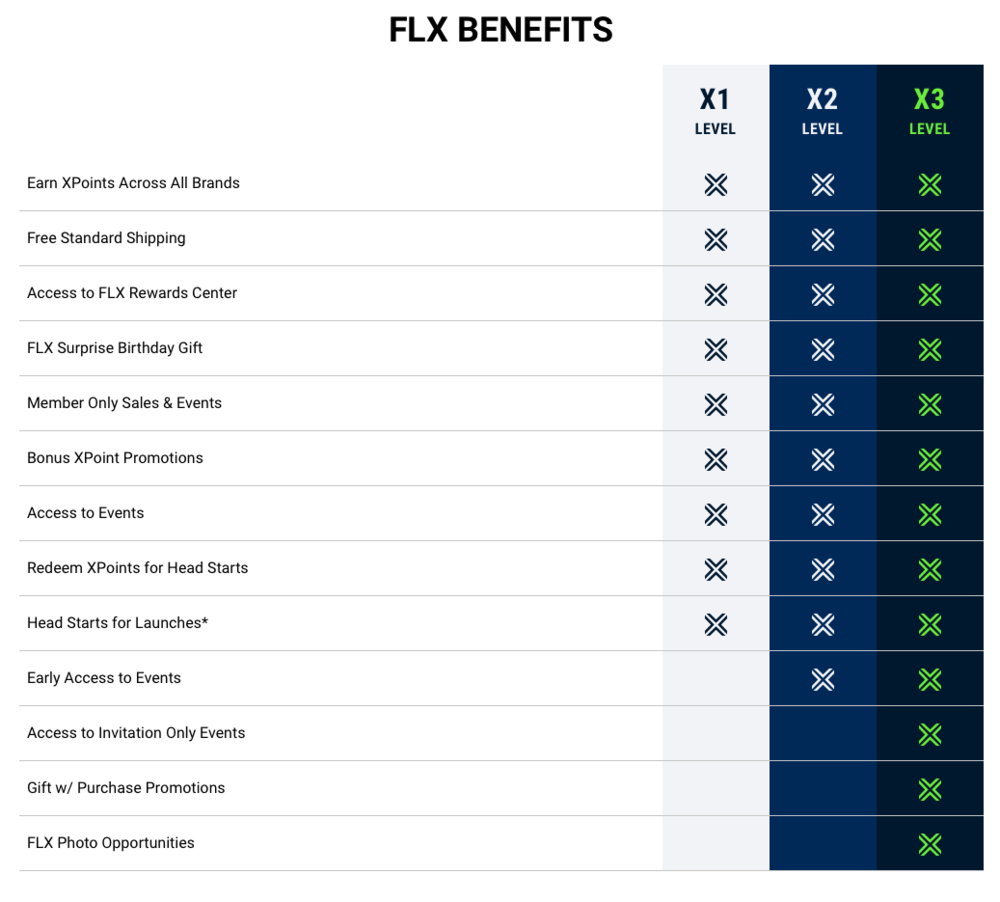
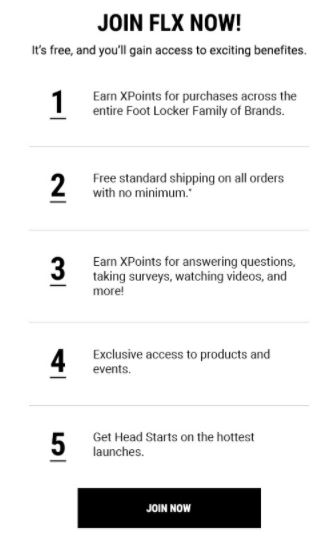
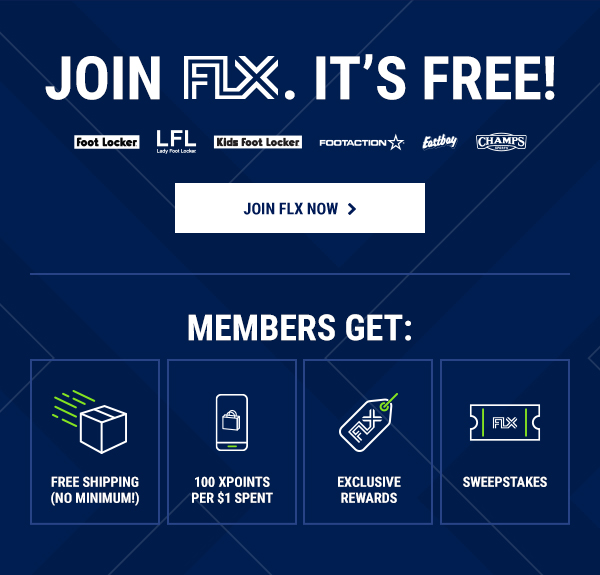
The FLX program was Foot Locker’s loyalty program that was designed for customers to collect rewards points through out all of Foot Locker’s brands. The program worked by providing loyalty points to customer for every purchase which provides members certain brand benefits depending on their loyalty tier. As the account manage for this program, I was responsible for the implementation of this entire program from campaign optimization, segmentation, implementing API, campaign setup and testing. The execution of this program was a huge success on our end. It was mentioned on our status call, despite everything going wrong on Foot Locker’s backend, the email implementation of the FLX campaign was one of the few things that went right.

Post launch canundrum

The FLX launch was a complete success the team and I breathed a sigh of relief celebrating our accomplishment. Unfortunately, FLX was not yet done with us. Foot Locker promised their users that the promocodes from their standard page would carry over to their loyalty program. Despite this, the way the FLX page was set up, Foot Locker was unable to display their user’s old promocodes. This caused quite a stir and confusion on social media where members were furious about the miscommunication.

Foot Locker approached us on a call saying that this needed to be remedied ASAP. They needed these users to receive new promocodes that are tied to the FLX program. The only way they can send them is via email campaign. I advised them on the most optimal way of executing this campaign, the deliverables needed for implementation, CAN-SPAM compliancy and segmentation for each of their brands. I working with my internal team working on creating a new campaign from scratch, setting up complicated personalization pieces to fit each user’s promocode, promo barcode, and expiration dates, creating a new data pieces specifically for this campaign, and a unique setup and QA process. We needed this all complete within two weeks with multiple re-words and revisions through out our production cycle.

Despite everything working against us, we were able to complete this project and meet the two week deadline promised. The campaign itself was a huge success. This very campaign became trending on social media as people were excited to redeem their promocodes while increasing their loyalty score. Despite the buzz and excitement from FLX members, no one was more pleased than the Foot Locker team:

“We see the first wave of emails going out and just wanted to thank you again for all of your help and support on this project! I know it’s been a lot of back and forth and re-work but it’s proving to be worth it!! Customers are already taking to social media excited about receiving their rewards cards. I know we still have the 10+ crowd to tackle but this deployment was a HUGE accomplishment so thank you, thank you and THANK YOU!!!”

Aleisha Forde, lifecycle manager for Foot Locker

For More Stories and Projects